Finish Carpentry 101: Trim, Molding, and Custom Details Explained
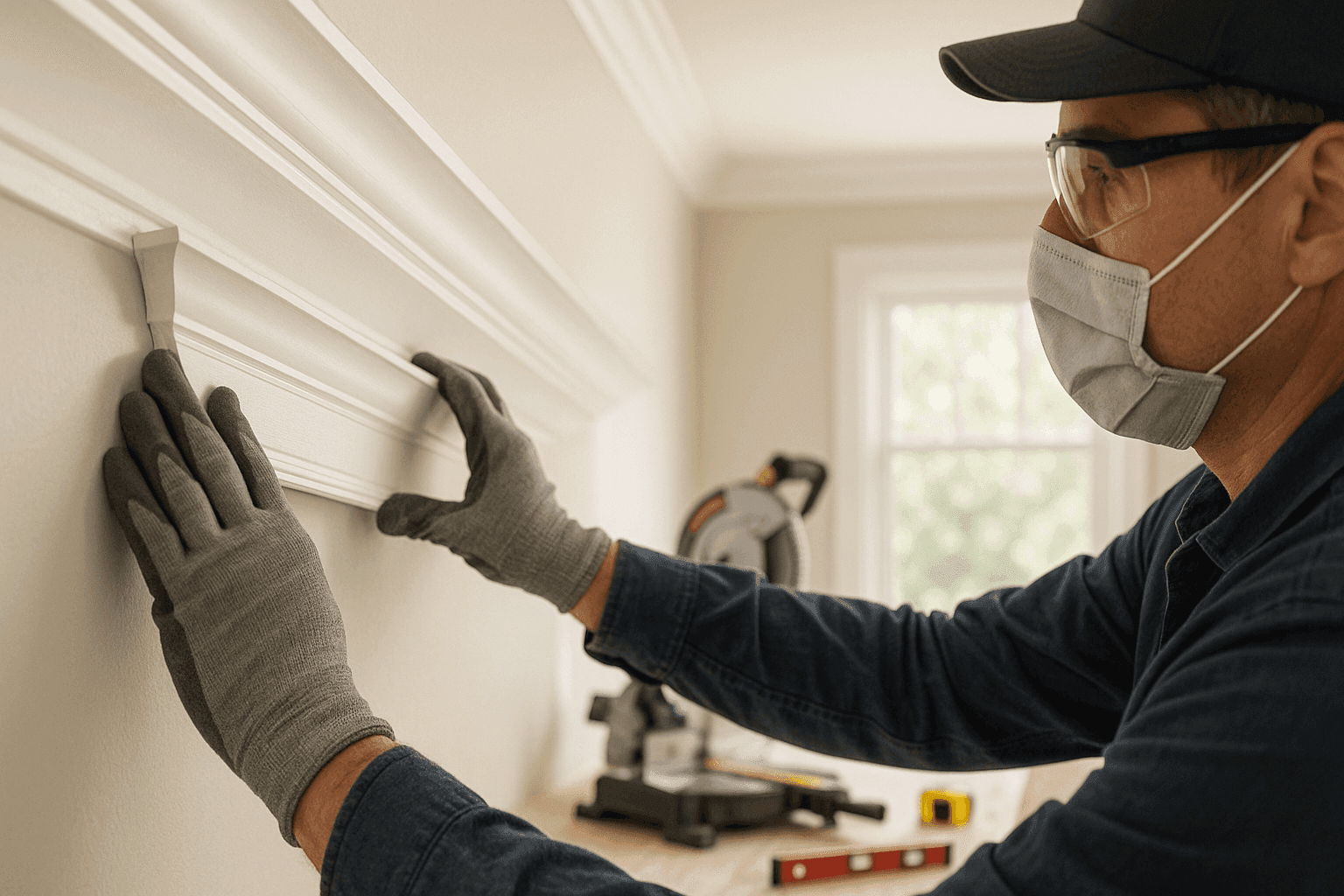
Ever notice how a room feels unfinished until the trim is in place? Those crisp lines, the subtle shadow of crown molding, the way baseboards frame a floor—these finishing touches aren’t just decoration. They’re the unsung heroes of every beautiful space. At Home Carpentry Inc, we know how a single detail can elevate a home or business from good to unforgettable.
If you’re thinking about remodeling, refreshing, or simply want to understand what goes into those perfect lines and corners, you’re in the right place. Let’s peel back the layers of finish carpentry, so you can see what sets skilled work apart—and why it matters for your property’s value and style.
What is Finish Carpentry? 🪚
Finish carpentry is the final step in woodworking that turns a blank canvas into a work of art. Unlike rough carpentry, which builds the skeleton of a home (think framing walls, joists, or subfloors), finish carpentry is all about the visible details. It's the polish, the “icing on the cake” that brings a room to life.
How Finish Carpentry Differs from Rough Carpentry
- Rough Carpentry: Focuses on structure and strength. It’s hidden beneath drywall and floors.
- Finish Carpentry: Focuses on appearance and precision. It’s what you see and touch every day.
Think of rough carpentry as building a sturdy boat—finish carpentry is the varnished deck, the gleaming rails, the parts you admire up close.
Typical Finish Carpentry Projects
- Baseboards and shoe molding
- Crown molding and ceiling details
- Wainscoting and paneling
- Window and door casings
- Custom shelving and built-in units
- Trim for staircases, mantels, and cabinetry
Whether you’re aiming for a fresh bathroom remodel, stylish new baseboards, or a classic paneled library, finish carpentry is what makes each space unique.
Popular Trim and Molding Styles
Trim and molding are like the accessories of your home or business—subtle, but transformative. The right style sets the tone, whether you prefer sleek modern lines or ornate historic details.
Most-Requested Styles
- Baseboards: The foundational trim that runs along the bottom of your walls, hiding gaps and protecting from scuffs.
- Crown Molding: Elegant trim at the intersection of wall and ceiling—think of it as a frame for your room’s upper edge.
- Wainscoting: Decorative panels on the lower half of walls, adding texture and a sense of tradition.
- Chair Rails: Horizontal trim that protects walls from dings—especially handy in dining rooms.
- Casing: Frames windows and doors, making openings crisp and clean.
- Picture Rails & Panel Molding: Classic touches for historic homes, adding layers and depth.
Some clients ask for custom curves, bold geometric patterns, or period-accurate profiles for historic preservation. The possibilities are endless, limited only by imagination and skill.
Step-by-Step: Installing Trim
Installing trim may look simple. But like a well-rehearsed orchestra, it takes planning, precision, and the right tools to pull it off seamlessly.
Essential Tools
- Miter saw (for perfect angled cuts)
- Finish nailer or hammer and finish nails
- Measuring tape and level
- Caulk and wood filler
- Sandpaper and paint or stain
Installation Process
- Measure Twice, Cut Once: Start by carefully measuring each wall and marking your trim pieces.
- Make the Cuts: Use a miter saw for clean, accurate angles—especially for corners and joints.
- Dry Fit: Place pieces against the wall to check alignment before attaching.
- Attach the Trim: Nail pieces in place, keeping the edges flush and level.
- Fill and Caulk: Hide nail holes and small gaps with wood filler and caulk for a smooth finish.
- Sand and Finish: Lightly sand any rough edges, then paint or stain for the final look.
Pro Tips
- Always acclimate wood trim to your space for 24–48 hours before installation to prevent warping.
- Reference the International Residential Code (IRC) and local building codes to ensure safe, durable results.
- Use painter’s tape to protect walls and floors during installation and finishing.
Custom Details for Homes and Businesses
Every property has its own personality. Custom finish carpentry lets you express it—whether that means a dramatic coffered ceiling in a restaurant or a cozy reading nook at home.
Unique Upgrades We Build
- Built-in bookcases and entertainment centers
- Custom closets and mudrooms
- Decorative ceiling beams and paneling
- Historic preservation features for period homes or offices
- Reception desks, display shelving, and accent walls for businesses
Custom details don’t just look impressive—they boost property value and make spaces more functional. In commercial settings, well-crafted trim and details create a welcoming, professional image for clients and staff alike.
DIY vs. Professional Finish Work
There’s satisfaction in tackling a project yourself. But with finish carpentry, even a small mistake can stick out like a sore thumb. Crooked trim, gappy corners, or paint drips are hard to unsee once installed.
When DIY Might Work
- Simple baseboard or casing projects in low-traffic areas
- Small touch-ups or paint refreshes
When to Call a Pro
- Crown molding (those angles are tricky)
- Wainscoting and paneling (needs perfect alignment)
- Large projects or historic preservation (requires specialized skills)
- Commercial or client-facing spaces
A professional finish carpenter brings years of experience, specialized tools, and an eye for detail. That’s what makes the difference between “good enough” and “wow.”
Why Finish Carpentry Matters
Those small details? They add up. Quality finish carpentry:
- Increases property value and curb appeal
- Protects walls and floors
- Reduces drafts and moisture intrusion
- Complements your home’s style, whether classic or contemporary
According to the National Association of Home Builders, buyers routinely rank well-finished trim and moldings as a top feature they look for in both homes and commercial spaces.
Quick Safety Checklist Before Starting
- Wear safety glasses when cutting or nailing
- Use hearing protection with power tools
- Keep your workspace clean and uncluttered
- Make sure ladders are stable and secure
- Double-check electrical outlets and switches before nailing into walls
Taking these precautions helps prevent accidents and ensures a smooth, stress-free project.
Seamless Results: Tips from the Field
- Let caulk cure completely before painting
- Sand between coats of paint or stain for a glassy finish
- Aim for tight joints—use a coping saw for inside corners
- Don’t rush! The best results come from careful, deliberate work
Refer to resources like the Woodwork Institute for best practices and technical guidelines.
Frequently Asked Questions
Can finish carpentry be done year-round?
Yes. Indoor trim and molding projects work in any season. For outdoor structures, schedule work during dry weather for best results.
How long does a typical trim installation take?
Most single-room projects take 1–2 days. Larger or custom jobs—like wainscoting or built-ins—may take up to a week.
Is finish carpentry only for older homes?
Not at all. Modern and contemporary spaces benefit just as much from clean lines, custom shelving, and built-in organization.
Does new trim or crown molding add value?
Absolutely. Well-installed trim and custom details are an investment in property value and everyday enjoyment.
Local and Seasonal Considerations
In humid climates, wood can expand or contract, so allowing trim to acclimate before installation is key. In cold regions, scheduling indoor work during winter keeps projects moving. For outdoor structures—like porches, decks, or gazebos—spring and fall are prime seasons.
Home Carpentry Inc serves both residential and commercial clients with a full range of finish carpentry, Bathroom Remodeling near you, and custom woodworking services. Our team follows industry best practices, from project planning through the final coat of paint.
Ready to transform your space with flawless trim, molding, or custom details?
Call Home Carpentry Inc now — or reach us anytime at 844-484-9873 .