Historic Home Carpentry: Restoration vs. Renovation Explained
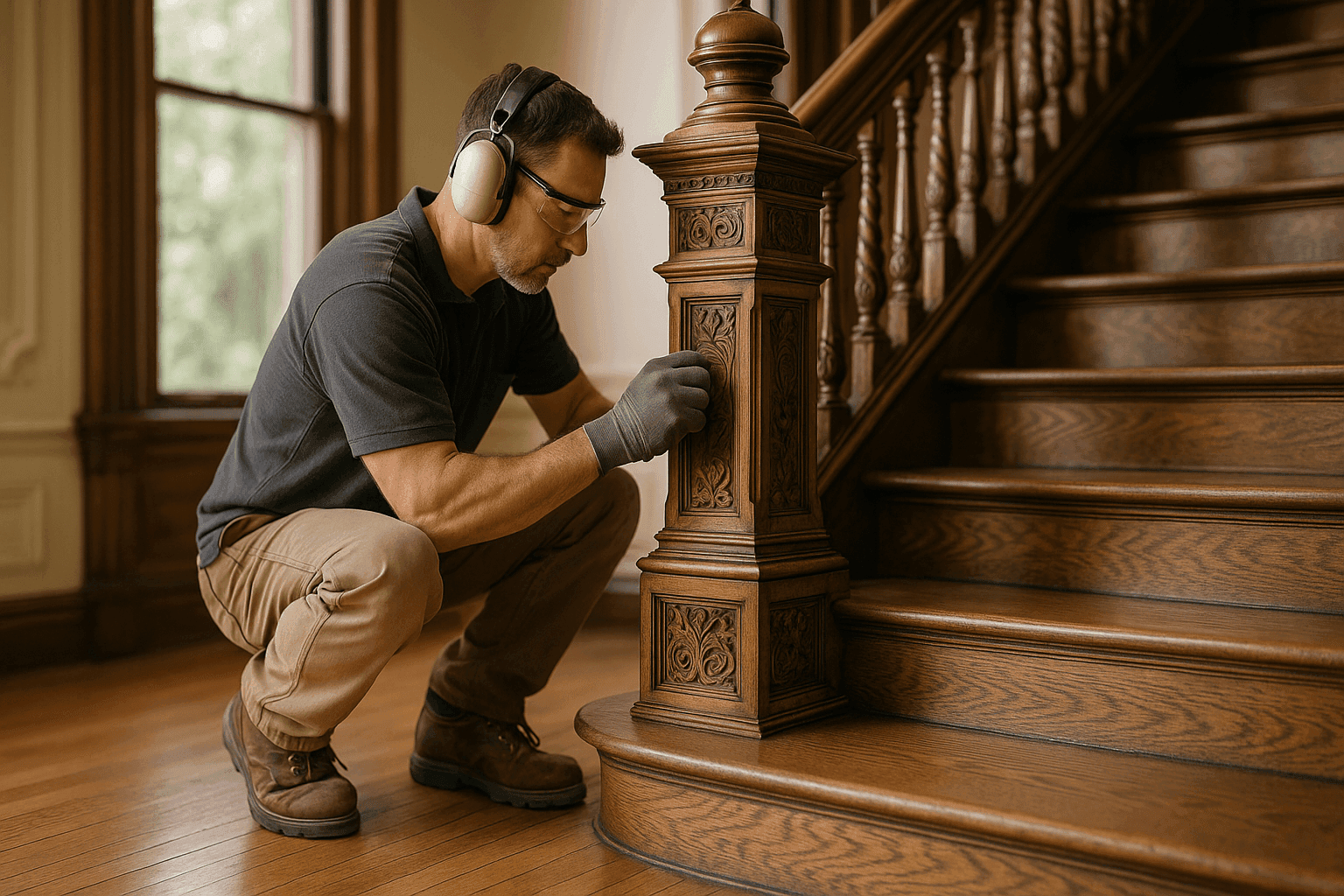
Owning a historic property feels a bit like holding a piece of time in your hands. The details—the creak of century-old floors, hand-carved trim, windows that frame the world just so. But time doesn’t stand still. For every preserved treasure, there’s a challenge: rot, outdated layouts, and the constant tug between honoring the past and living comfortably in the present.
At Home Carpentry Inc, we live for these challenges. Our team has helped countless homeowners and businesses bring new life to old spaces, from intricate crown molding to full-scale bathroom remodeling near you. Let's dig into the heart of historic carpentry—restoration vs. renovation—and how to make the right decision for your property.
What is Historic Restoration? 🏛️
Restoration means going back in time. It’s about peeling away the years to reveal what once was—restoring a home or commercial building to its original appearance and function. Imagine it like fixing a classic watch: every cog, every dial, just as its maker intended.
Key features of restoration:
- Preserves original materials whenever possible (think old-growth timber, hand-forged nails)
- Repairs or replicates features using traditional methods
- Follows guidelines from authorities like the National Park Service’s Standards for the Treatment of Historic Properties
- Maintains historic value, often required for landmark status
Restoration isn’t just for the grand mansions or public landmarks. Even the smallest details—worn stair treads, handmade window casings—matter. It’s about respecting the craftsmanship that came before us.
Renovation vs. Restoration
Now, let’s draw the line. Renovation is about updating, improving, and sometimes reimagining a space for today’s needs. You might renovate a historic kitchen to include modern appliances, or reconfigure a warren of tiny rooms into an open, livable space.
Here’s how they compare:
- Restoration: Brings back what was lost or damaged, using period-appropriate materials and methods.
- Renovation: Updates or changes the space to improve function, comfort, or aesthetics—often blending old with new.
Sometimes, the two intertwine. Maybe you keep the original crown molding but install energy-efficient windows. Or you restore a grand staircase, but add a discreet powder room beneath.
The right approach depends on your goals, the building’s condition, and—crucially—local codes and historic guidelines.
Choosing Materials for Historic Projects
The heart of historic carpentry is in the materials. The challenge? Many woods used a hundred years ago—like heart pine or chestnut—are now rare or protected. Hardware and plasterwork may be impossible to find at your local store.
Tips for sourcing and selecting materials:
- Salvage yards: Great for finding period-appropriate doors, windows, and trim.
- Custom woodworking: Skilled carpentry teams (like ours) can replicate moldings, cabinets, and features to match originals.
- Modern alternatives: Sometimes, using new materials is the only practical way, but they should match the look and feel of the original as closely as possible.
- Finish and stain: Matching the patina of old wood is an art—test stains and finishes on scraps before committing.
Remember, the right materials don’t just look good—they help your project meet preservation standards and last for decades to come.
Working with Preservation Experts 🧰
Restoring a historic property is rarely a solo journey. It takes a village: carpenters, architects, preservationists, and—sometimes—historians.
Why work with licensed preservation professionals?
- Code compliance: Local and national codes for historic properties can be strict. Licensed pros know the ins and outs, from ADA accessibility to fire safety.
- Documentation: Proper records—drawings, photos, materials logs—are often required, especially for official designations or tax credits.
- Quality assurance: Preservationists are trained to spot details others might miss, like period-specific joinery or original finishes under layers of paint.
- References to standards: Teams follow guidelines from bodies like the Secretary of the Interior’s Standards for Rehabilitation.
When you hire carpentry professionals with restoration experience, you get more than skilled hands—you get stewards of your building’s story.
Balancing Old and New
Living in a historic home shouldn’t mean living in the past. Modern demands—central air, insulation, accessible bathrooms—matter. The real art is in blending upgrades with the soul of the place.
How to keep the balance:
- Preserve visible features: Keep original trim, doors, and floors wherever possible. Let new elements complement, not compete.
- Choose reversibility: Where possible, make upgrades that can be undone without harming the original structure.
- Conceal modern systems: Run wiring and plumbing through existing chases or behind removable panels.
- Document everything: Record changes with photos and notes—future owners (or preservationists) will thank you.
Finding this balance means your home stays both historic and livable—a place where old stories and new ones meet.
Challenges in Historic Carpentry Projects
Historic projects come with their own set of hurdles. Here’s what to expect:
- Building code compliance: Older homes often lack modern safety features. Meeting requirements for egress, railing heights, or fire protection can be tricky.
- Sourcing materials: Not every lumberyard stocks the right wood or hardware—sometimes, you wait months for the right piece.
- Hidden surprises: Water damage, wood rot, or outdated wiring are common under the surface.
- Budgeting: Restoration can be unpredictable—set aside a contingency fund.
- Regulations: Properties with historic status may need special permits or approval from local commissions.
Patience and planning are your best allies here.
The Importance of Documentation 📷
Think of documentation like a photo album for your home’s journey. It’s not just for the scrapbook—good records can protect your investment and help with future work.
- Before-and-after photos: Capture every stage, especially hidden details before they're covered up.
- Material records: Keep receipts, samples, and product data.
- Plans and drawings: Save copies of any changes made, however minor.
- Permit and inspection paperwork: Store these safely—they’re often required for insurance or resale.
Documentation helps ensure your historic home’s story is preserved—no matter who lives there next.
Practical Tips for Owners of Historic Properties
- Start with a condition assessment: Bring in a qualified carpenter or preservationist to inspect for wood rot, structural issues, or outdated systems.
- Prioritize urgent repairs: Water damage or structural problems come first.
- Research your property’s history: Old photos, building plans, or city records can guide your choices.
- Plan upgrades carefully: Focus on improvements that add comfort without erasing character.
- Maintain regularly: A little upkeep (like caulking windows or refinishing woodwork) goes a long way.
Frequently Asked Questions
How do I know if my home is considered “historic”?
Generally, homes over 50 years old with architectural or cultural significance may qualify. Check with your local historical society or preservation office for guidelines.
Can I add a modern kitchen or bathroom to a historic home?
Yes, but the design should respect the original architecture. Work with skilled carpentry professionals who understand how to blend old and new.
What happens if I uncover hidden damage during a project?
Pause and reassess. Address structural or safety issues first—sometimes this means changing plans, but safety and preservation go hand in hand.
Will restoration increase my property’s value?
Well-documented, sensitive restorations usually enhance value, especially in areas with strong appreciation for historic homes.
When to Choose Restoration, Renovation, or Both
The choice comes down to your goals:
- Restoration: If you want to preserve history for future generations, or are required by law.
- Renovation: If comfort, efficiency, or changing family needs are your top priority.
- Both: Many projects combine elements of each. Restore what you can, renew what you must.
Talk it through with your carpentry team. Lay out your vision, your budget, and your timeline. The right team will help you plot a course that honors both past and present.
Final Thoughts
Historic homes are more than buildings—they’re storytellers, memory keepers, and sources of inspiration. Whether you’re restoring a Victorian staircase, building custom closets in a craftsman, or planning bathroom remodeling near you, the right approach brings out the best in both the old and the new.
If you’re ready to start your next project—or just want to talk through your options—reach out to the team at Home Carpentry Inc. We’re here to help you write the next chapter of your property’s story.
Call Home Carpentry Inc now — or reach us anytime at 844-484-9873 .